
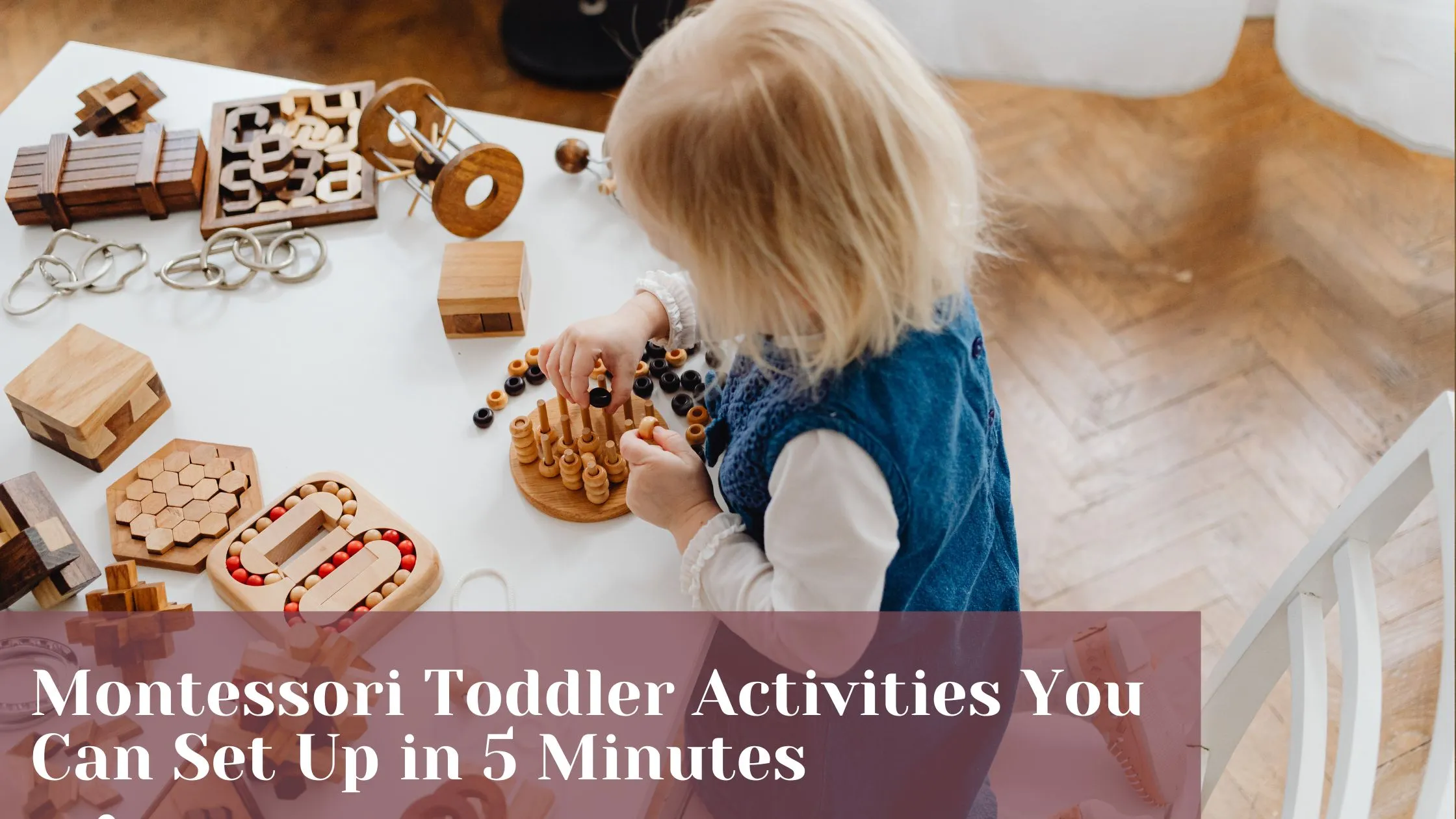
Your toddler dumps the toy bin for the fifth time today, plays with the contents for ninety seconds, then walks away. You are left standing in a pile of plastic, wondering if there is a better way to fill the next twenty minutes.
There is. And it does not require a wooden shelf, a $60 set of trays, or a weekend trip to a specialty store.
Montessori style activities are built around one idea: give a toddler one clear task, real materials, and the freedom to do it themselves. Most of what you need is already in your kitchen drawer. The setup takes about 5 minutes. The play that follows can last three or four times longer than a toy bin dump, because your toddler is working toward something instead of just handling objects.
This guide covers what actually makes an activity Montessori, ten activities you can set up before your coffee gets cold, how to adjust them by age, why the research backs this approach, and the mistakes that turn a calm 10 minutes into a meltdown.
Why Montessori Does Not Require a Wooden Toy Shelf
Search “Montessori toddler” online and a very specific image comes up: a low wooden shelf, pastel colored trays, matching wicker baskets. It looks beautiful. It also costs hundreds of dollars and makes the whole approach feel out of reach for a family working with a normal budget and a normal amount of clutter.
That image is not what makes an activity Montessori. Dr. Angeline Lillard, a developmental psychologist at the University of Virginia who has studied Montessori education for more than two decades, points to a simpler foundation: independence. Her research on children’s motivation describes how kids benefit when they get to choose a task, work through it, and finish it on their own terms, without an adult stepping in to do it for them, a concept researchers call self determination. That principle costs nothing. It works with a muffin tin as easily as it works with a $200 wooden tray set.
The goal is not to recreate a photo you saw online. The goal is to hand your toddler one real task, step back, and let them work through it.
What Actually Makes an Activity Montessori
Before the list, it helps to know the three rules that turn a random pile of objects into real, focused work. Skip these and you just have a mess. Follow them and even a bowl of dry pasta becomes something your toddler will sit with for ten minutes straight.
One skill per activity. Do not combine sorting, counting, and pouring into a single tray. Pick one skill and let your toddler get comfortable with it before you add another layer.
One tray or one space. A tray, a shallow box, or even a placemat draws a clear boundary. It tells your toddler where the activity starts and ends, which cuts down on pieces scattering across the room.
The child does the work, not you. This is the hardest rule for most parents to follow. If you are the one pouring the beans, tying the ribbon, or fixing the mistake, it is your activity, not theirs. Show the motion once, slowly, then step back and let your toddler try, spill, and try again.
What You Already Have on Hand
Before building the list, it helps to know that almost nothing here needs to be bought new. A quick scan of your kitchen and recycling bin will likely turn up most of what is needed: small bowls, a pitcher or measuring cup, dry rice or beans, muffin tins, empty yogurt containers with lids, clothespins, kitchen tongs, washcloths, and painter’s tape. Keep a small basket of these items in a low cabinet your toddler can reach, and setup drops from 5 minutes to closer to 2.
Ten Montessori Activities You Can Set Up in Five Minutes
Each of these uses items you likely already own. None require a shopping trip, and each one targets a specific skill rather than just filling time.
1. Pouring Practice
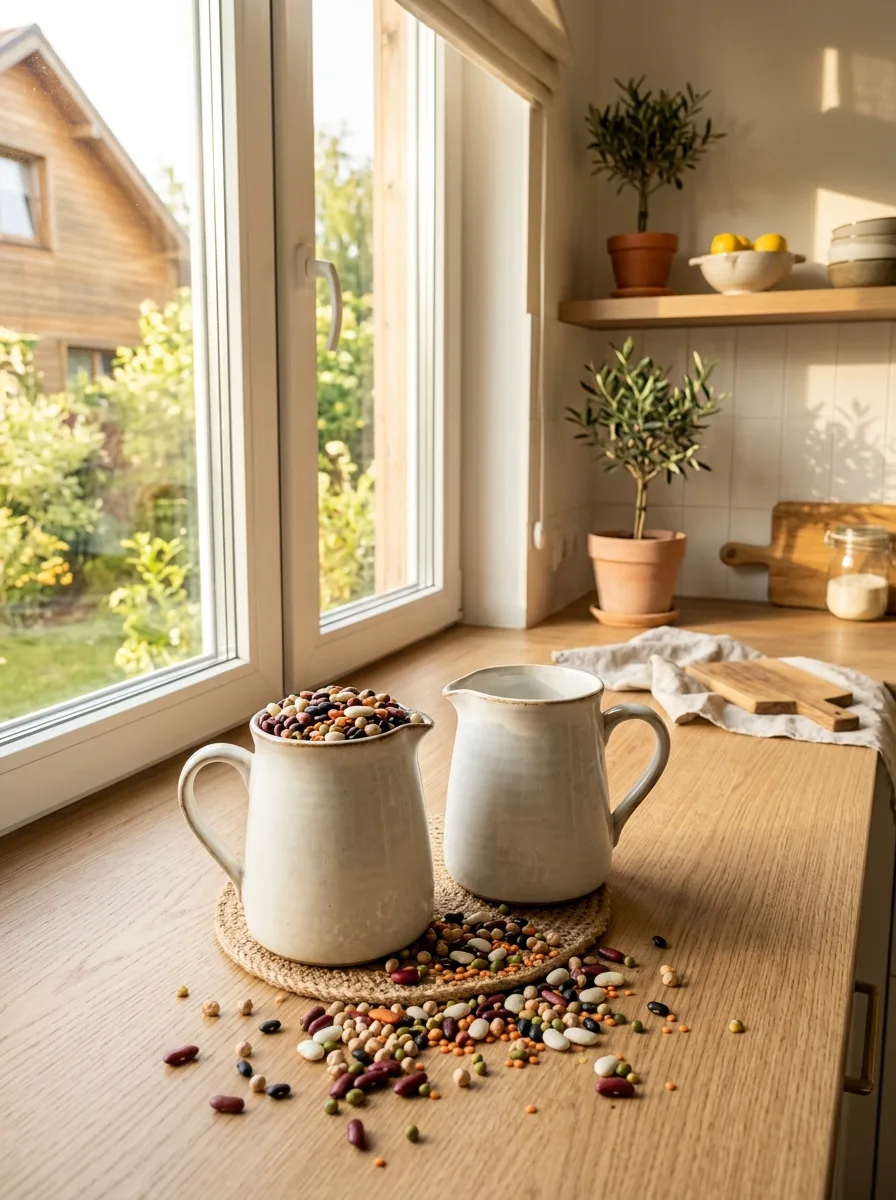
Fill a small pitcher with water, rice, or dry beans. Give your toddler a second empty cup and let them pour back and forth. Start with dry material since it is easier to clean up, then move to water once they get the motion down. This builds hand eye coordination and the wrist control needed for using a spoon and, later, a pencil.
2. Color Sorting Bowl
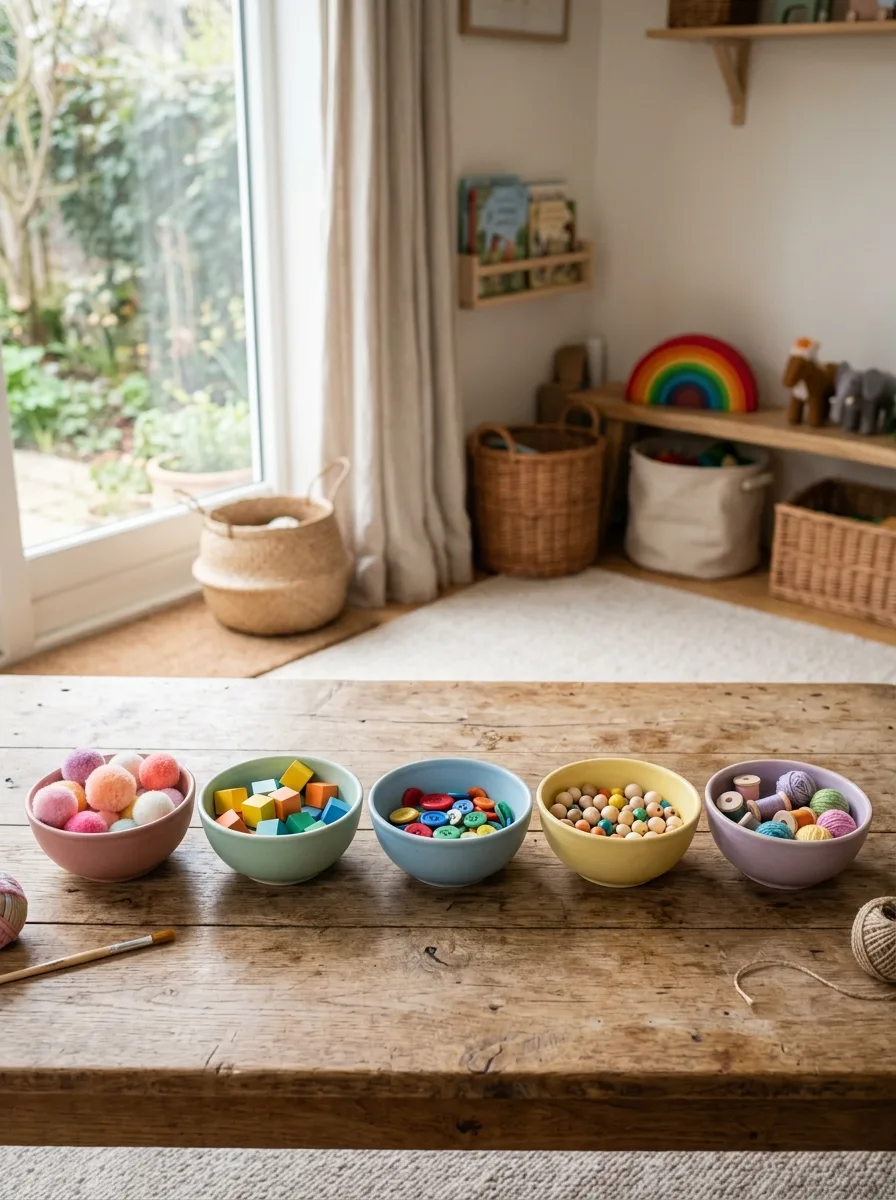
Grab a few small bowls and a handful of objects in two or three matching colors. Pom poms, buttons, or building blocks all work. Ask your toddler to sort the objects by color into the matching bowl. This is one of the fastest activities to set up and one of the easiest to grow over time by adding more colors as your child gets better at it.
3. Lid Matching
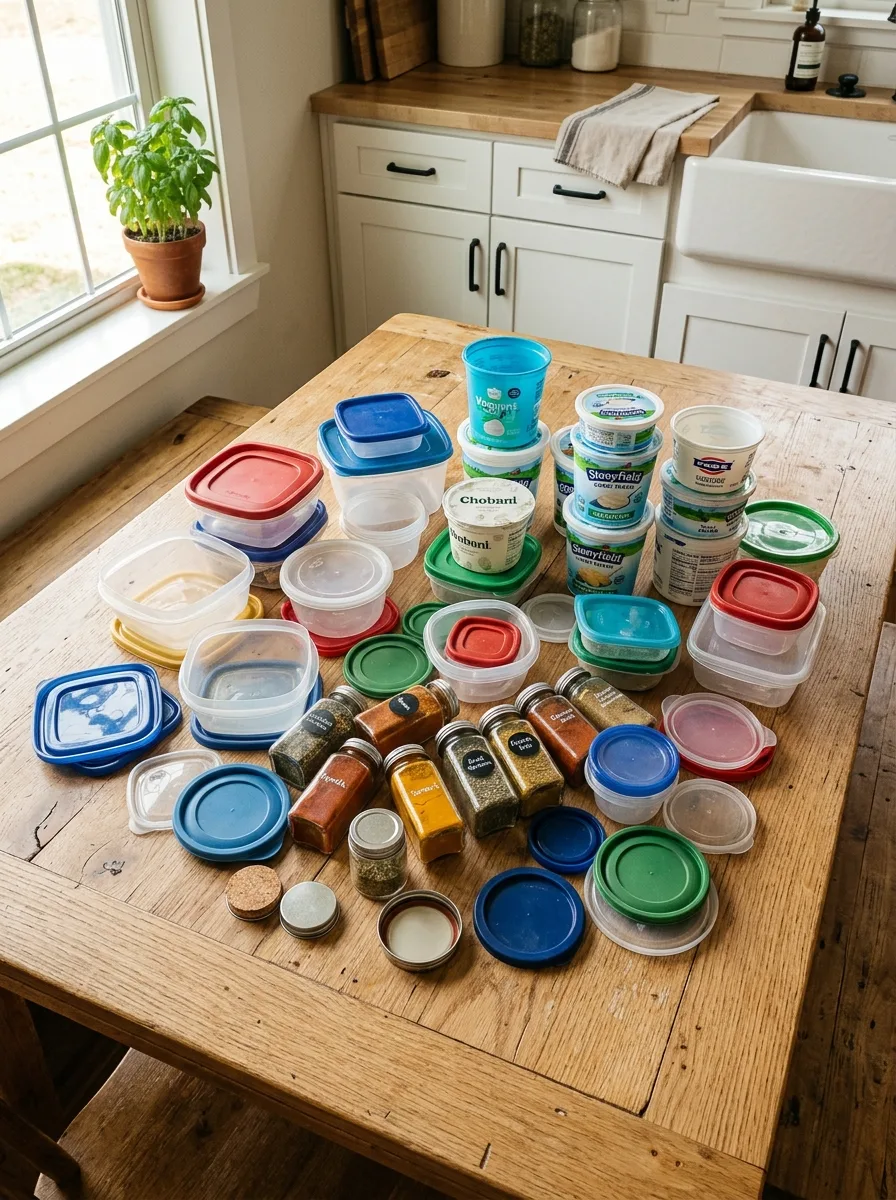
Collect five or six containers of different sizes with their matching lids: yogurt tubs, spice jars, food storage containers. Mix up the lids and let your toddler match each one to its container. This uses items headed straight for the recycling bin and builds visual discrimination, the skill of noticing small differences in size and shape.
4. Tape Peeling
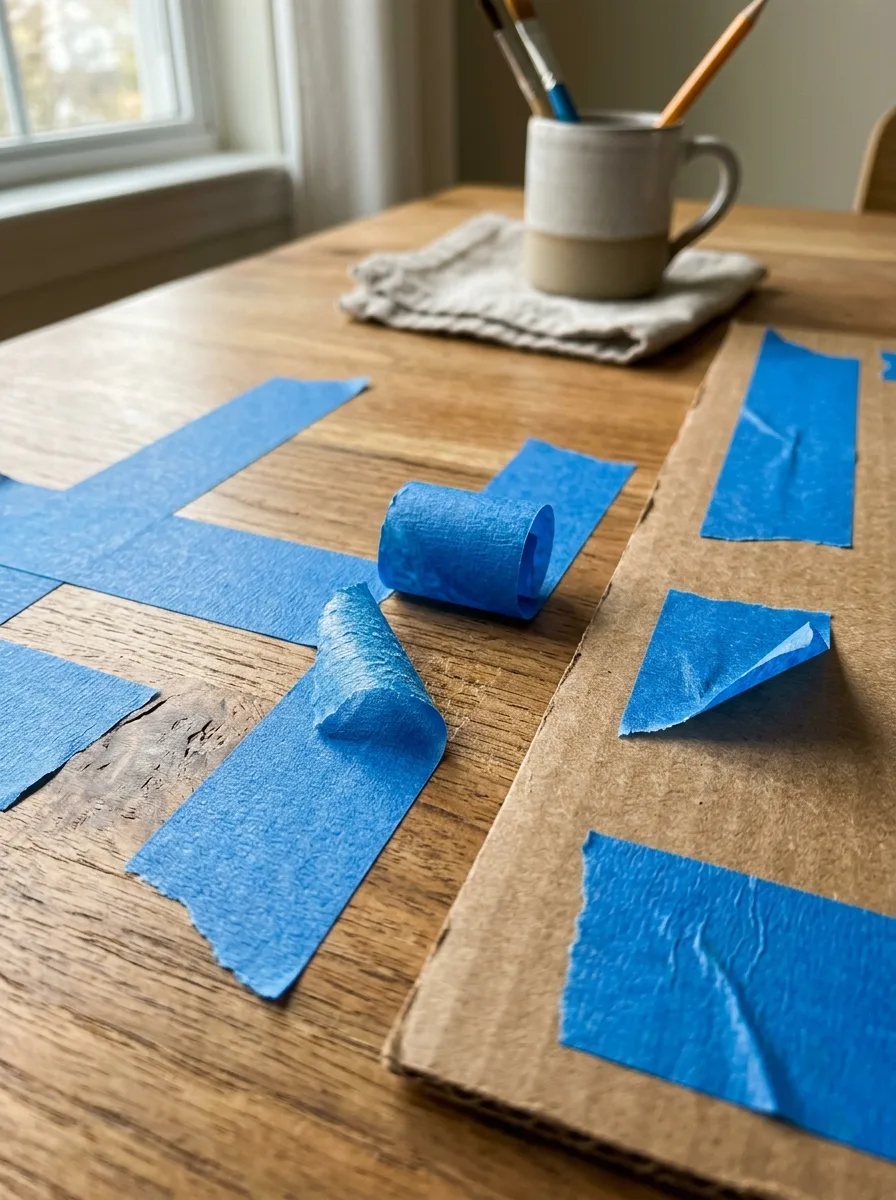
Stick a few strips of painter’s tape onto a table or a piece of cardboard. Let your toddler peel each strip off. It sounds almost too simple, but peeling tape strengthens the pincer grip, the same three finger hold needed later for holding a pencil correctly.
5. Pantry Sensory Bin
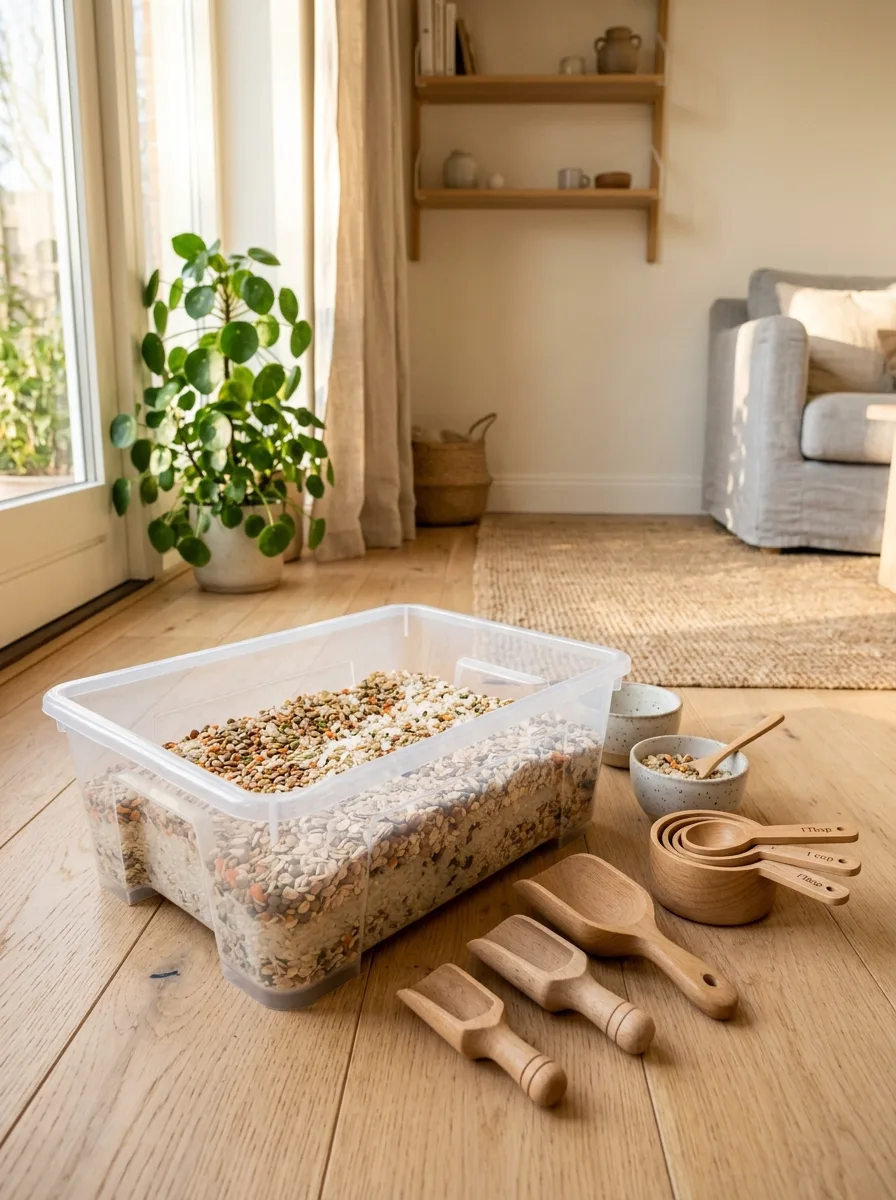
Fill a shallow bin with dry rice, oats, or lentils. Add a few scoops and small cups. Let your toddler scoop, pour, and dump for a while. Ask open ended questions while they play, such as what a scoop feels like or how many cups it takes to fill the bin. This kind of open ended sensory play supports vocabulary growth alongside fine motor skill.
6. Pom Pom Transfer With Tongs
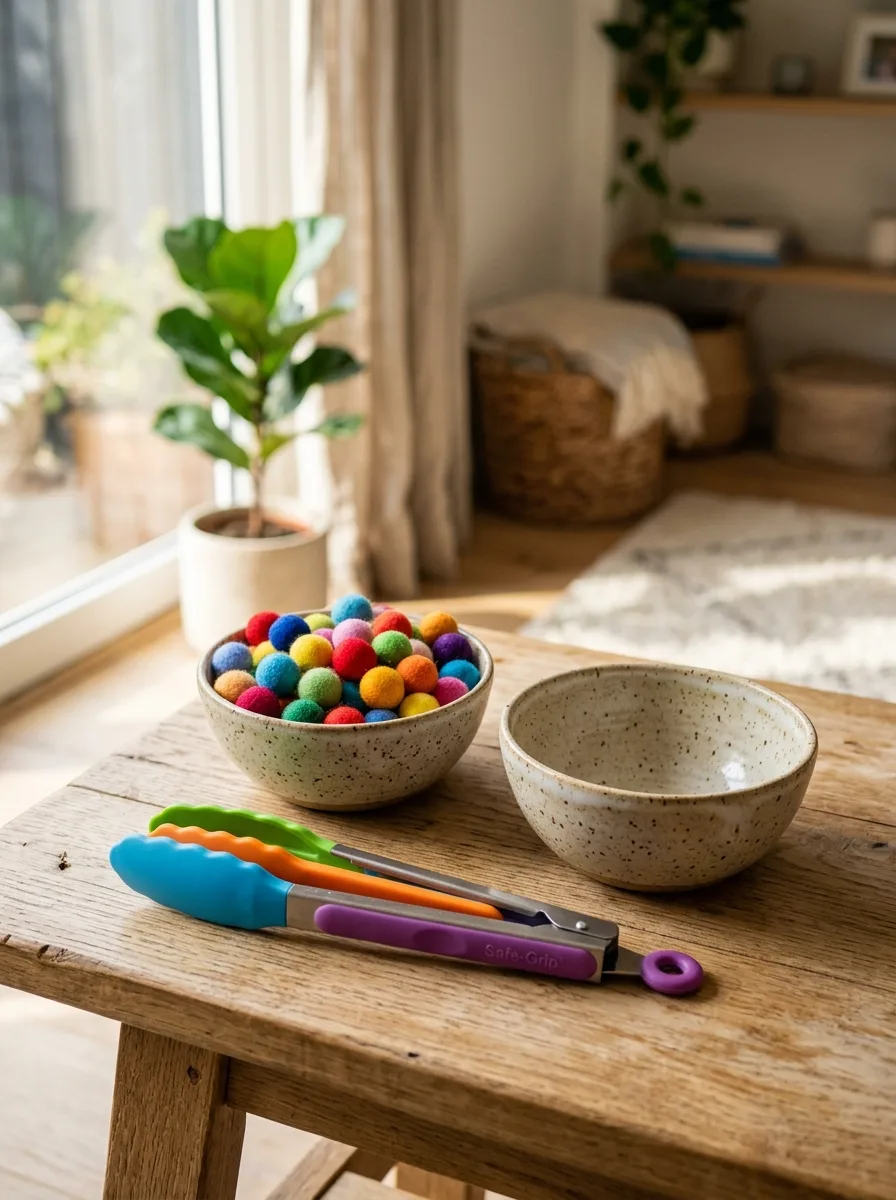
Set out a bowl of pom poms and a pair of kid safe tongs or a large spoon. The task is to move each pom pom, one at a time, into a second bowl. This takes real concentration for a toddler, and that concentration is the point. It also strengthens the same muscles used for holding a crayon.
7. Threading Through a Colander
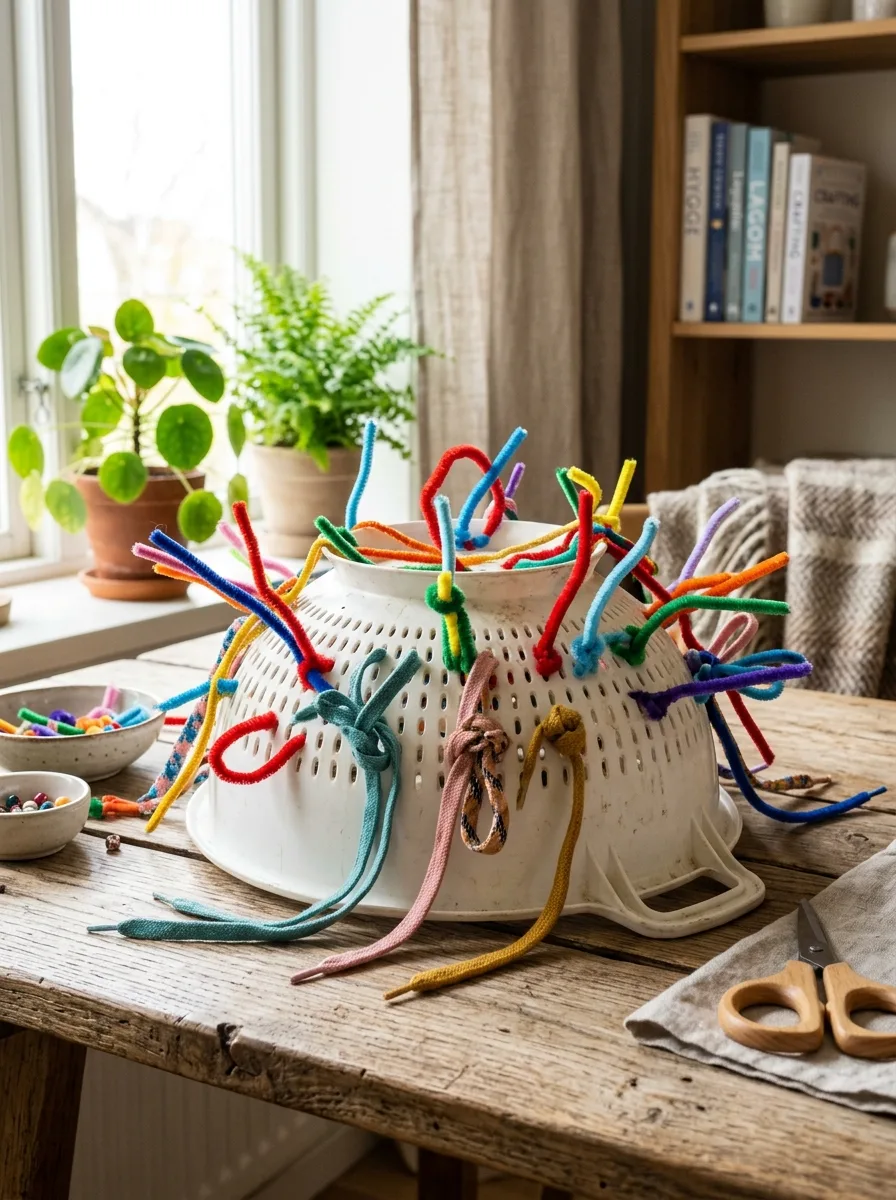
Turn a plastic colander upside down and give your toddler pipe cleaners or shoelaces to poke through the holes. There is no wrong way to do this, which makes it a low pressure activity for a toddler who gets frustrated easily with tasks that have a right and wrong answer.
8. Cloth Folding

Give your toddler two or three small washcloths or hand towels and show them how to fold each one in half, then in half again. This looks basic, but folding builds the same sequencing skills used later for following multi step directions, and it doubles as a real household task your toddler can feel proud of finishing.
9. Nature Object Sort
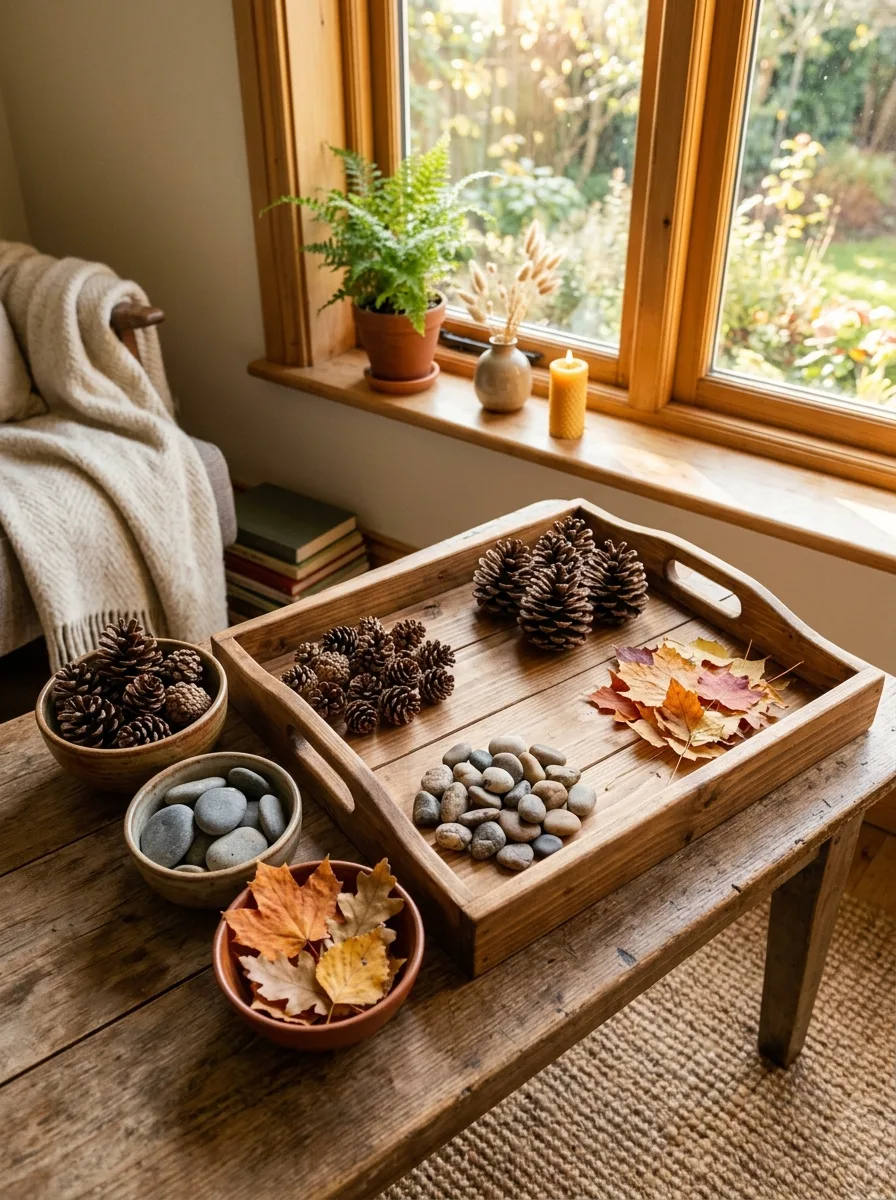
Bring in a small handful of items from outside, such as pinecones, leaves, and rocks. Set out two or three bowls and let your toddler sort by type, size, or texture. This works well right after a walk, when your toddler is already holding a fist full of things they picked up along the way.
10. Sponge Squeeze
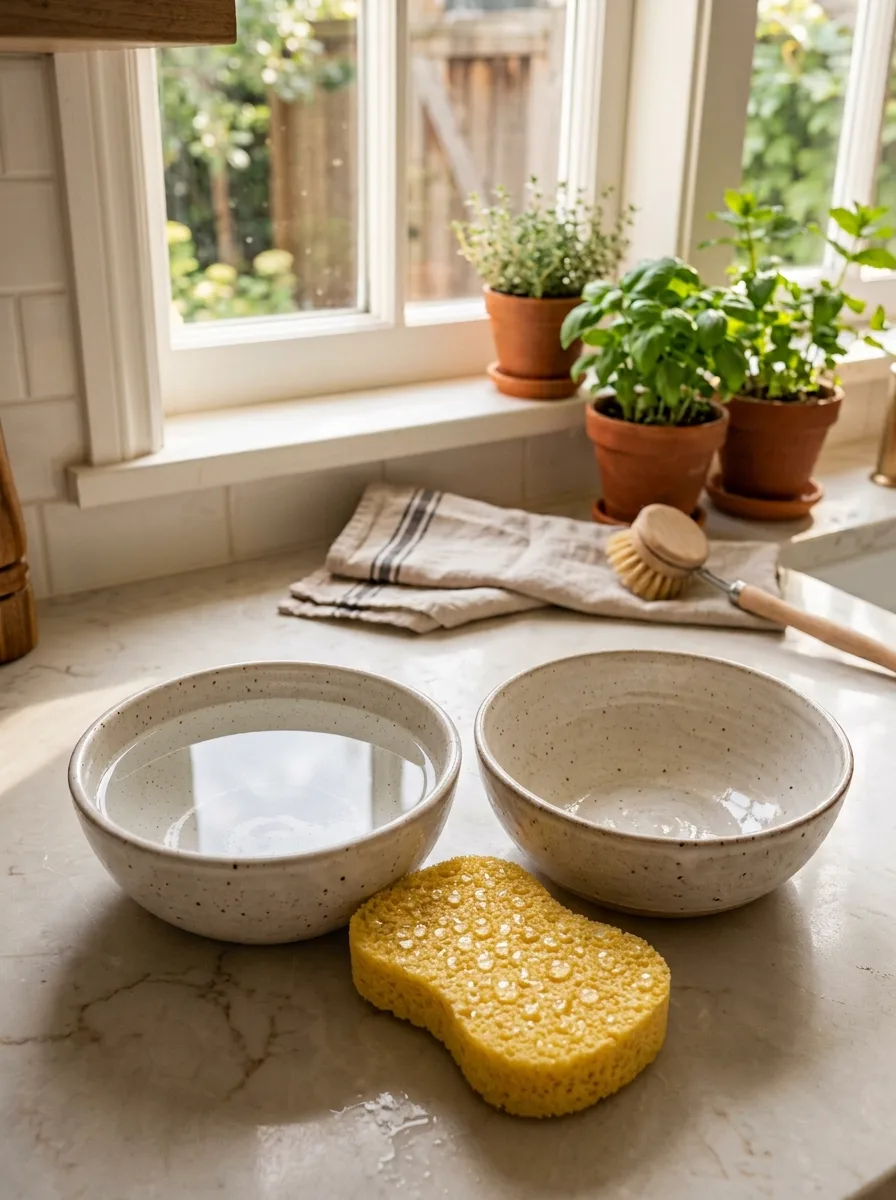
Fill one bowl with water and set an empty bowl beside it. Give your toddler a sponge and show them how to soak up water from the full bowl, then squeeze it out into the empty one. It is a simple transfer task, but squeezing a sponge builds real hand strength, and most toddlers find the motion satisfying enough to repeat it a dozen times.
Age by Age Adjustments
A 14 month old and a 30 month old are not working with the same skills, so a few small changes keep these activities right at the edge of what your toddler can do without help. That edge, not too easy and not too hard, is where the most focused play happens.
12 to 18 months. Stick to one step tasks: pouring, dumping, stacking. Skip anything with small parts that could end up in a mouth, and stay within arm’s reach the entire time. Expect short bursts of focus, often under 2 minutes, and know that is completely normal at this age.
18 to 24 months. Add a second step, such as sorting by color and then placing items into a labeled bowl. Focus tends to stretch to 5 or 10 minutes once your toddler has practiced an activity a few times and knows what to expect from it.
2 to 3 years. Introduce activities with a clear sequence, like folding cloths or threading beads onto string. This age group can often handle real tools, such as child safe scissors or tongs, and tends to want to repeat a favorite activity many times in a row rather than move on to something new right away. Let them. Repetition at this age is how a skill goes from wobbly to automatic.
Why These Small Moments Actually Matter
It is easy to dismiss five minutes of pouring rice as a way to buy a little quiet, and on some days that is exactly what it is. But the research behind this approach goes further than that.
A 2025 longitudinal study published in Scientific Reports followed children through five years of Montessori style early education. The early reading advantage seen in kindergarten faded over time, but a math problem solving advantage grew stronger and was still clearly present by the end of the study. Researchers pointed to the hands on, self directed nature of the activities, the same kind used in this list, as a likely driver of that longer term gain.
There is also a developmental angle worth knowing about. A 2024 study covered by Medical News Today found that children with ADHD who spent time in Montessori style learning environments showed improvements reported by their own parents. The study relied on parent report rather than a lab based measure, so it is best read as a promising early signal rather than settled proof, but it lines up with what many parents already notice: a child who struggles to sit through a scripted activity often does better with one they get to control themselves.
And there is the flip side worth naming too. Research published in Pediatric Research in 2023 found that screen use in toddlers displaces the kind of peer and parent interaction linked to normal early development, and a 2024 study in the Journal of Developmental and Behavioral Pediatrics tied heavier preschool screen time to slower progress on developmental milestones. None of this means a toddler show is dangerous in small doses. It does mean that trading five minutes of a screen for five minutes of pouring rice is not just a nice idea. It is backed by a real body of research on what toddlers need for their brains to build the connections tied to focus, coordination, and language.
Mistakes That Turn Montessori Time Into a Meltdown
Even a well planned activity can fall apart fast. These are the most common reasons why, and simple fixes for each one.
Too many choices at once. Setting out five activities on a shelf sounds generous, but it usually overwhelms a toddler and leads to nothing getting finished. Offer one, maybe two, and add more only once your toddler shows they are ready for it.
Stepping in too soon. Watching a toddler spill water for the third time is hard to sit through. Resist the urge to fix it. The spill, and the cleanup that follows, is part of the activity, not a failure of it. Keep a small towel nearby so cleanup is quick and low stress for both of you.
Skipping the demonstration. Toddlers cannot guess what you want them to do with a bowl of pom poms and a pair of tongs. Show the motion once, slowly and without talking over it, then hand the activity over and stay quiet while they try.
Using a tray that is too big or too small. A tray that is too large makes objects scatter everywhere. One that is too small makes the activity feel cramped and frustrating. A shallow rimmed tray or a baking sheet with edges usually gets the size right.
Ending on your schedule, not theirs. If your toddler is still deeply focused and you need to move on, give a warning first, such as two more scoops, rather than pulling the tray away without notice. A sudden interruption is one of the fastest ways to turn calm play into a meltdown.
Offering it at the wrong time. A hungry, overtired, or overstimulated toddler will not settle into focused work no matter how good the activity is. Save these for a window after a nap or snack, when your toddler is calm but not yet restless.
How to Keep It Fresh Without Buying More Stuff
The activities above will hold a toddler’s interest for a while, but eventually the pouring pitcher gets boring. You do not need new materials to fix that. You need new combinations.
Swap the material inside an existing activity: move from rice to dry beans to water in the same pitcher. Change the container: the same color sorting task feels new in a muffin tin instead of a bowl. Rotate what is available on a small shelf or in a bin every week or two, keeping only two or three activities out at a time rather than everything at once. A toddler who has not seen the tongs and pom poms in three weeks will approach them like they are brand new.
Quick Answers to Common Questions
How long should a Montessori activity last? There is no fixed target. A 14 month old might spend 90 seconds on an activity and that counts as a full, successful session. A 3 year old might return to the same tray for 20 minutes. Let your toddler set the pace instead of watching the clock.
What if my toddler just dumps everything and walks away? That is normal, especially the first few times an activity is introduced. Reset it calmly without commentary and offer it again another day. Interest often builds after the second or third exposure, not the first.
Do I need to buy Montessori branded toys? No. The activities in this list use items already in most homes. What matters is the structure, one skill, one tray, and letting your toddler do the work themselves, not the brand on the box.
Can these activities work for more than one child at a time? Most work best one on one, since the point is focused, independent work. If you have two toddlers close in age, set up two separate trays with the same activity rather than one shared tray, which tends to lead to grabbing instead of concentration.
The short version: one skill, one tray, and your toddler doing the work. Everything else on this list is a variation on that same idea, and five minutes is usually all it takes to set the next one up.